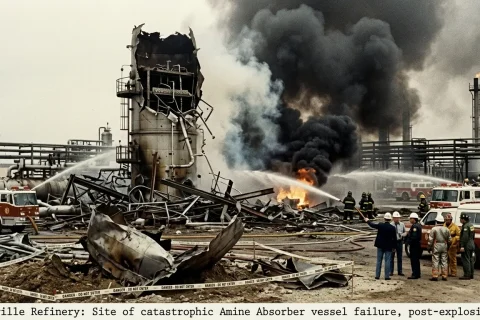
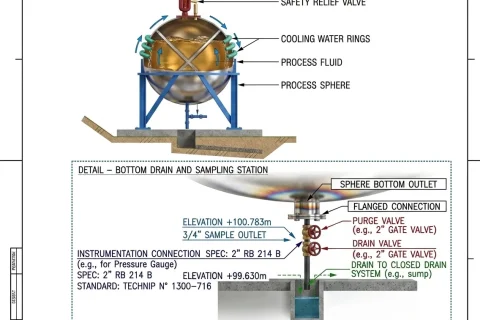
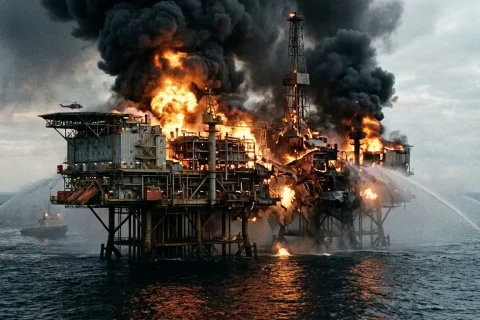
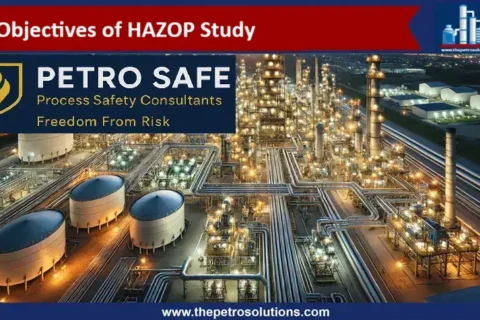
Hazardous Area Classification (HAC) is a core discipline in chemical and petrochemical process safety. It provides a systematic method for identifying and classifying locations where flammable gases, vapors, mists, dusts, or fibers may be present in quantities sufficient to form an explosive atmosphere. The outcome of this classification directly governs plant layout, equipment selection, installation practices, and operational controls.
In the chemical industry, where flammable materials are routinely processed under elevated temperature and pressure, hazardous area classification is not optional—it is a fundamental risk-control requirement embedded in international standards and legislation.
Purpose of Hazardous Area Classification
- Identify locations where explosive atmospheres may occur
- Assess the likelihood and duration of such atmospheres
- Define hazardous zones based on probability of occurrence
- Enable correct selection of electrical and mechanical equipment
- Minimize the extent of hazardous areas through sound design
What Is a Hazardous Area?
A hazardous area is defined as any place in which an explosive atmosphere may occur in quantities that require special precautions to protect people, equipment, and facilities. An explosive atmosphere is typically a mixture of:
- Flammable gas, vapor, mist, or dust
- Air (oxygen)
- Within flammable or explosive concentration limits
The presence of all three elements, even temporarily, creates a hazardous location.
Types of Hazardous Substances
Gases and Vapors:
These are common in reactors, distillation units, compressors, pumps, and storage facilities. Typical examples include:
- Hydrogen
- Hydrocarbon vapors
- Solvents
- Process gases
Combustible Dusts
Dust hazards are particularly severe because dust layers can accumulate and ignite violently under disturbed conditions. Examples include:
- Chemical powders
- Polymer dusts
- Agricultural or pharmaceutical powders
Zone Classification Concept
Zones define hazardous areas based on frequency and duration of explosive atmospheres.
Gas and Vapor Zones
| Zone | Definition (Frequency & Duration) | Typical Occurrence | Examples |
|---|---|---|---|
| Zone 0 | Explosive gas atmosphere is present continuously, for long periods, or frequently | Normal operating condition | Inside reactors, vessels, columns, tanks containing flammable mixtures |
| Zone 1 | Explosive gas atmosphere is likely to occur in normal operation | Intermittent presence during routine operation | Pump seals, sampling points, vents, relief valve discharge locations |
| Zone 2 | Explosive gas atmosphere is not likely in normal operation and, if it occurs, exists only for a short time | Abnormal or upset conditions | Areas around flanges, closed systems, pipe joints, vessels |
Dust Zones
| Zone | Definition (Frequency & Duration) | Typical Occurrence |
|---|---|---|
| Zone 20 | Combustible dust present continuously or frequently | Inside dust-handling equipment (e.g., silos, dryers, conveyors) |
| Zone 21 | Combustible dust likely during normal operation | Areas near filling or discharge points |
| Zone 22 | Combustible dust not likely in normal operation and, if present, only for a short duration | Surrounding areas where dust escape is infrequent |
Typical Time-Based Interpretation of Zones (Industry Practice)
| Zone | Typical Presence Timing in Hours |
|---|---|
| Zone 0 / 20 | > 1000 hours/year |
| Zone 1 / 21 | 10–1000 hours/year |
| Zone 2 / 22 | < 10 hours/year |
Factors Influencing Zone Extent
Several parameters influence how far a hazardous zone extends:
- Release rate and pressure
- Size and type of opening
- Ventilation (natural or forced)
- Vapor density relative to air
- Operating temperature
- Geometry and congestion
Good design aims to:
- Reduce release sources
- Improve ventilation
- Confine hazardous areas
A well-designed plant should have minimal Zone 0 and Zone 1 areas, with most hazardous areas falling into Zone 2.
Documentation of Hazardous Area Classification
A complete hazardous area classification study should include:
- Hazardous area drawings
- Zone boundaries (horizontal and vertical)
- Basis of classification
- Assumptions and references
- Applicable standards
These documents form part of the plant safety basis and must be reviewed whenever process conditions, layout, or materials change.
Relationship With Other Safety Studies
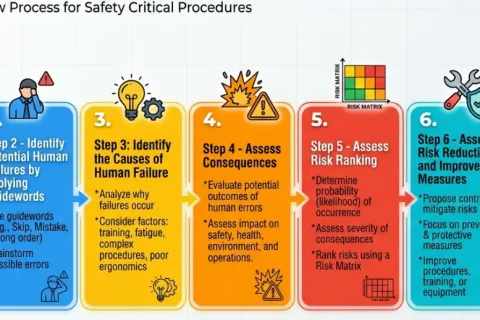
Hazardous area classification works alongside:
- HAZOP (scenario identification)
- LOPA (risk screening)
- SIL assessment (instrumented protection)
- Fire and explosion analysis
HAC defines where explosive atmospheres may exist—it does not replace quantitative risk assessment but complements it.
Where to do Hazardous Area Classification?
- Oil and Gas drilling in Onshore and Offshore Facilities
- Oil and Gas Manufacturing and Processing Facilities
- Refineries
- Petrochemical and Fertilizer industries
- Gas pipelines and Centers
- Terminals, Re-fuelling and Petrol stations
Top References:
- Hazardous Area Classification in Chemical Plants by By Mr. Rohit Manglik
- https://www.hse.gov.uk
- https://ifluids.com

Certified Functional Safety Professional (FSP, TÜV SÜD Germany), Certified HAZOP & PHA Facilitator, LOPA Practitioner, QRA/FERA and Specialist in SIL Verification & Functional Safety Lifecycle, with 18 years of professional experience in Plant Process Safety across Petroleum Refining and Fertilizer Complexes.