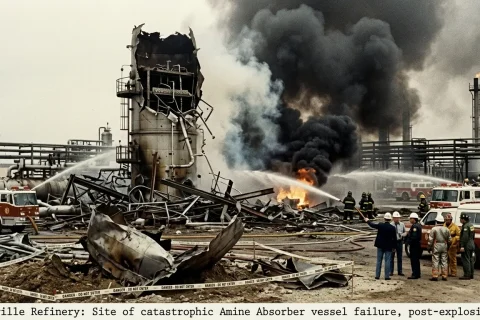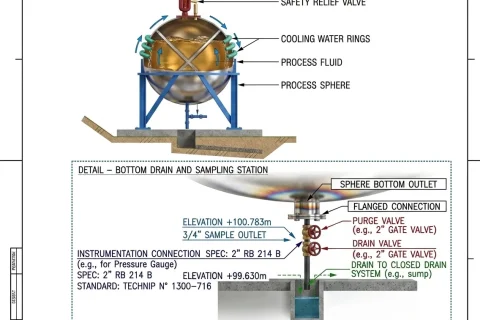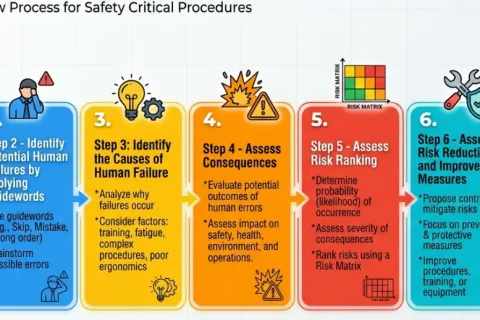
Risk Based Process Safety Management System is a modern framework designed by CCPS to refocus attention where it matters most. RBPS acknowledges that not all hazards carry the same weight, and that achieving genuine process safety excellence demands smarter prioritization, stronger culture, and performance-driven safety systems. By shifting from a compliance mindset to a risk-focused approach, RBPS guides companies toward more resilient, efficient, and accountable process safety management.
Chemical process incidents can happen due to equipment failures, human mistakes, weak management systems, or unexpected external events. For years, companies mainly focused on improving technology and training people. But after several major accidents in the 1980s, it became clear that poor management systems were often the real cause. This led industries and governments to introduce structured safety systems instead of separate, scattered efforts. Today, these integrated systems combined with modern manufacturing excellence practices, help to keep process safety a natural part of daily operations and support safer, more reliable performance.
CCPS Risk-Based Process Safety (RBPS) organizes process safety into four pillars and 20 elements that help organizations prevent major accidents, manage risks effectively, and build a strong safety culture. Also see “Summary of CCPS Risk Based Process Safety Management System”
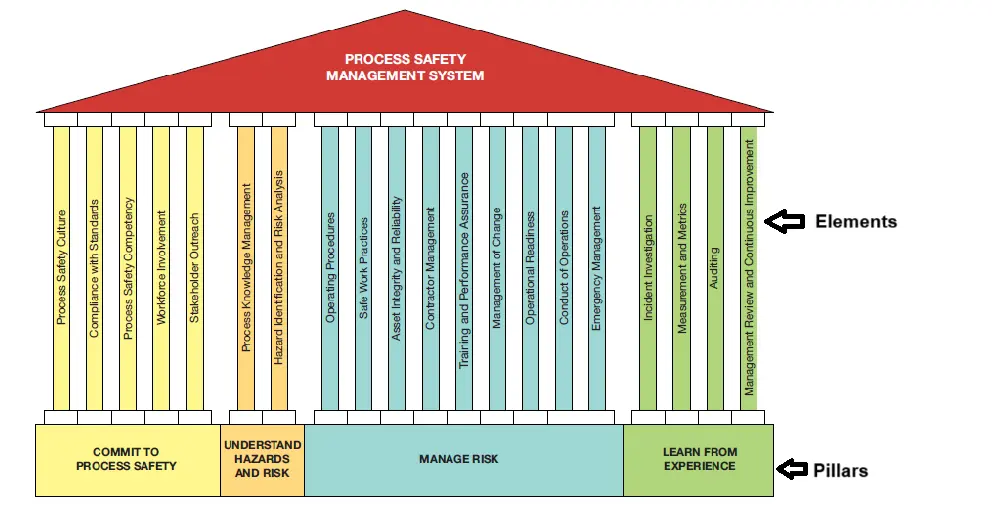
PILLAR 1: COMMIT TO PROCESS SAFETY
1. Process Safety Culture
Process safety culture reflects the shared values, beliefs, and behaviors that determine how people act in the workplace, especially when unsupervised. A strong culture is built through visible leadership, clear expectations, and consistent behaviors. It requires open communication, trust, accountability, and the willingness to learn from mistakes. A healthy culture helps prevent complacency and ensures safety remains a core value across the organization.
2. Compliance with Standards
This element ensures the company identifies, understands, and follows all applicable laws, regulations, codes, and internal standards related to process safety. It includes national and international requirements (e.g., OSHA PSM, API, NFPA), internal engineering standards, and industry best practices. Proper compliance supports safe design and operation, reduces legal and regulatory risks, and ensures consistency across facilities. It also helps organizations stay prepared for audits and external evaluations.
3. Process Safety Competency
Process safety competency focuses on building and maintaining the skills, knowledge, and experience needed to manage hazards effectively. It includes developing training programs, documenting process knowledge, ensuring information is accessible, and encouraging continuous learning. Competency also requires reviewing job roles, planning for personnel transitions, and ensuring expertise is available when making critical decisions. A competent workforce makes fewer errors and responds more effectively to abnormal conditions.
4. Workforce Involvement
Workforce involvement ensures employees actively participate in safety programs, improvement initiatives, and hazard reviews. Employees provide valuable insights because they understand day-to-day operations. Their involvement increases ownership, strengthens safety discussions, and helps identify gaps that managers may overlook. A strong involvement system includes feedback channels, safety committees, reporting systems, and participation in HAZOPs or incident investigations.
5. Stakeholder Outreach
Stakeholder outreach refers to communicating with external parties such as regulators, emergency responders, community groups, and local authorities. It builds trust and transparency by sharing relevant safety information, emergency plans, and performance updates. Effective outreach improves coordination during emergencies, demonstrates corporate responsibility, and strengthens the organization’s reputation.
PILLAR 2: UNDERSTAND HAZARDS & RISK
6. Process Knowledge Management
This element ensures all critical technical information—such as P&IDs, chemical properties, process descriptions, equipment data, and operating limits—is documented, controlled, and kept current. Accurate process knowledge supports safe design, hazard reviews, troubleshooting, training, and emergency response. Good information management prevents decisions based on outdated or incomplete data.
7. Hazard Identification & Risk Analysis (HIRA)
HIRA uses systematic methods such as HAZID, HAZOP, What-If, FMEA, LOPA, and QRA to identify what could go wrong and evaluate the associated risks. It assesses causes, consequences, likelihood, and safeguards. This element helps prioritize actions, select proper safety measures, and ensure risks remain within tolerable limits. A strong HIRA program is essential for preventing major accidents.
PILLAR 3: MANAGE RISK
8. Operating Procedures
Operating procedures provide step-by-step instructions for normal and abnormal operations. They cover startup, shutdown, emergency handling, and response to process deviations. Clear and accurate procedures help operators maintain consistency, reduce human errors, and respond effectively to abnormal situations. Procedures should be reviewed regularly, updated after changes, and easy for workers to understand.
9. Safe Work Practices
Safe work practices control risks related to non-routine work, including hot work, confined space entry, line breaking, lockout/tagout, work at heights, and maintenance tasks. These practices standardize how hazardous jobs are planned, authorized, executed, and monitored. They ensure workers understand hazards and the steps necessary to protect themselves.
10. Asset Integrity & Reliability
This element ensures equipment is designed, built, installed, operated, and maintained to prevent failures that could lead to releases, fires, or explosions. It includes inspections, testing, preventive maintenance, reliability programs, and compliance with mechanical integrity standards. Strong asset integrity reduces downtime, prevents catastrophic failures, and extends equipment life.
11. Contractor Management
Contractors must follow the same safety expectations as employees. This element includes selecting qualified contractors, providing safety training, monitoring job performance, and evaluating compliance with site rules. Good contractor management prevents accidents caused by unfamiliarity with hazards or inconsistent safety practices.
12. Training & Performance Assurance
Training ensures employees and contractors develop the skills and knowledge necessary for their roles. Performance assurance verifies that they can apply those skills correctly in the field. This element includes competency tests, on-the-job evaluations, refresher training, and simulations. Skilled and confident workers greatly reduce operational risks.
13. Management of Change (MOC)
MOC ensures any change—whether in equipment, chemicals, operating conditions, procedures, or personnel—is reviewed and evaluated before implementation. It prevents unintended consequences and ensures new risks are identified and controlled. A strong MOC system is vital because even small changes can introduce significant hazards.
14. Operational Readiness
Before restarting equipment after maintenance, shutdown, or modification, operational readiness checks confirm that everything is safe to operate. It verifies that equipment is correctly installed, procedures are accurate, personnel are trained, and safeguards are functional. This prevents accidents during startup, which is one of the highest-risk operating periods.
15. Conduct of Operations
Conduct of operations promotes disciplined, consistent, and structured execution of daily activities. It includes shift communication, logbooks, control room practices, alarms, and operating routines. Good conduct minimizes variability, reduces mistakes, and ensures operations are carried out safely and predictably.
16. Emergency Management
Emergency management prepares the organization to respond quickly and effectively during incidents. It includes emergency planning, drills, communication systems, coordination with external responders, and post-incident recovery. Good preparation reduces the impact of fires, explosions, toxic releases, and other emergencies.
PILLAR 4: LEARN FROM EXPERIENCE
17. Incident Investigation
Incident investigation identifies the root causes of incidents and near misses to prevent recurrence. Effective investigations focus on learning, avoid blame, and generate corrective actions that strengthen systems. Lessons must be shared with relevant personnel and tracked until fully implemented.
18. Measurement & Metrics
Metrics track how well process safety systems are performing. Leading indicators (e.g., overdue inspections, near misses, safety-critical maintenance delays) detect weaknesses early, while lagging indicators measure actual incidents. Together, they help identify trends and guide improvements.
19. Auditing
Auditing evaluates whether process safety systems work as intended. Audits identify gaps, verify compliance with standards, and recommend improvements. Regular audits—internal or external—ensure the management system remains strong and effective.
20. Management Review & Continuous Improvement
Senior leadership periodically reviews overall process safety performance, major risks, audit findings, and resource needs. This element drives continual improvement by ensuring leadership addresses key issues, allocates resources, and strengthens the system over time.
References:
CCPS Guidelines for Risk Based Process Safety

Certified Functional Safety Professional (FSP, TÜV SÜD Germany), Certified HAZOP & PHA Facilitator, LOPA Practitioner, QRA/FERA and Specialist in SIL Verification & Functional Safety Lifecycle, with 18 years of professional experience in Plant Process Safety across Petroleum Refining and Fertilizer Complexes.