Regeneration of Hydrotreating Catalysts
Regeneration is the process of restoring the activity of the catalyst by removing coke from its surface. It also involves the recovery of the physical properties of the catalyst. Regeneration
Regeneration is the process of restoring the activity of the catalyst by removing coke from its surface. It also involves the recovery of the physical properties of the catalyst. Regeneration

The crude distillation unit is the first processing unit in the oil refinery. The crude oil distillation process aims to separate the crude oil into various petroleum fractions according to
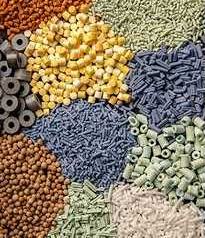
The primary function of Hydrotreating catalysts is to remove sulfur, nitrogen and other contaminants from the refinery feedstocks. In addition, they improve product properties by adding hydrogen and in some
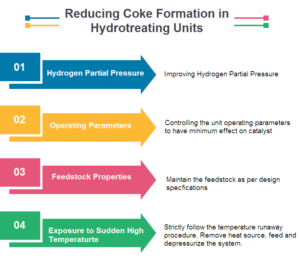
Coke formation is the deposition of hydrogen deficient carbonaceous material over the catalyst surface. Generally, it is formed by thermal condensation, de-hydrogenation, and polymerization reactions of hydrocarbons. The coke covers
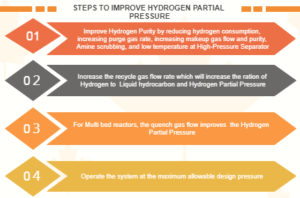
Hydrogen Partial Pressure (HPP) is a critical parameter related to the performance of the Hydrotreating unit. The hydrotreating reactions are favored by high hydrogen partial pressure. Hydrogen Partial Pressure is
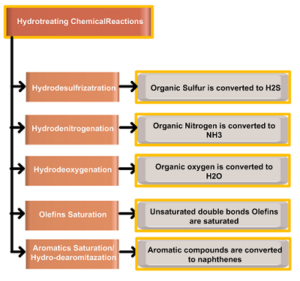
Hydrotreating is the reaction of organic compounds in the presence of Hydrogen to remove sulfur, nitrogen, metals, halides, and oxygen from the petroleum fractions ranging from LPG to vacuum residue.
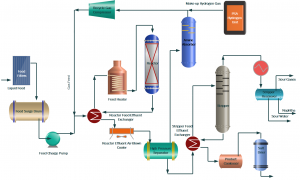
Hydrotreating, Hydroprocessing, or Hydrodesulfurization is a process in which the petroleum feed stream reacts with Hydrogen at high temperature and pressure in the presence of a catalyst, to remove the

Gasoline or petrol is the most common liquid fuel for automobiles and specifications control play a key role in gasoline performance. In an oil refinery, various processes are applied to