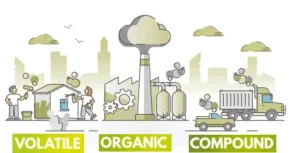
Volatile Organic Compounds Sources and Control Measures
Volatile organic compounds (VOCs) are a group of organic chemicals that have high vapour pressure and low water solubility at room temperature. The high vapour pressure of VOCs results due
Volatile organic compounds (VOCs) are a group of organic chemicals that have high vapour pressure and low water solubility at room temperature. The high vapour pressure of VOCs results due
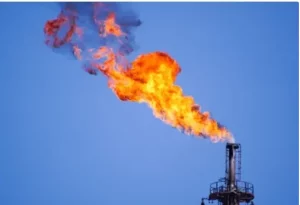
The flaring process in oil refineries refers to the controlled and safe burning of the waste gases that are produced during various refining processes. By burning the hydrocarbon vapours the
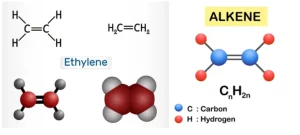
Olefins, also called alkenes or alkynes are compounds made up of hydrogen and carbon that contains one or more pairs of carbon atoms linked by double or triple bonds. Olefins do
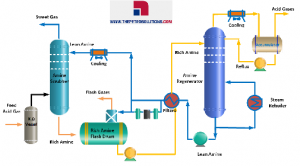
In petroleum refining, acid gas refers to a mixture of gases that form acids in a solution with water. The most common types of acid gas are carbon dioxide (CO2)
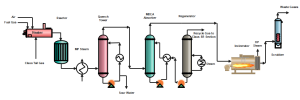
The Sulfur Recovery Unit (SRU) in a Petroleum Refinery is designed to remove H2S from sour gases originating in the various refinery processes and convert them to industrial-grade molten sulfur. The process
Kerogen in petroleum is a complex fossilized organic material, found in the oil shale and other sedimentary rock, which is insoluble in common organic solvents and yields petroleum products on
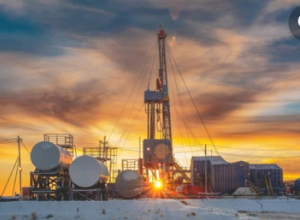
Shale oil, also known as tight oil, is a type of unconventional oil that is extracted from fine-grained sedimentary rocks called shale. Oil shale deposits are found on all continents
The water-gas shift reaction, also known as the carbon monoxide-water shift reaction, is a chemical reaction in which carbon monoxide and water react to form carbon dioxide and hydrogen. Water
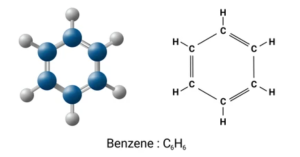
Aromatics compounds are a class of organic groups that are characterized by a specific type of ring structure known as an aromatic ring or an arene. The most well-known and
