
Safety Instrumented System (SIS)
A Safety Instrumented System (SIS) is a control system consisting of sensors, one or more controllers (often referred to as logic solvers), and final elements. Another common name is an
A Safety Instrumented System (SIS) is a control system consisting of sensors, one or more controllers (often referred to as logic solvers), and final elements. Another common name is an

What is a Safety Instrumented Function (SIF)? A Safety Instrumented Function (SIF) is a system designed to reduce risks associated with specific hazards by taking an automatic action when required

Safety Integrity Level (SIL) is a quantitative target used to measure the level of performance required for a safety function to achieve tolerable risk for a process hazard. Defined in

The Probability of Failure on Demand (PFD) is a critical metric in safety and reliability engineering. It quantifies the likelihood that a system or Safety Instrumented Function (SIF) will fail
Layers of Protection Analysis Methodology LOPA (Layers of Protection Analysis) is a semi-quantitative method used to evaluate and analyze risk scenarios with significant consequences or the potential for major accidents.

Hazard identification is a foundational step in process safety, aiming to proactively recognize potential hazards that could lead to incidents. Here are some effective tips for thorough hazard identification: Techniques

Process Safety time is the minimum time the process takes to move from its condition when the initiating event occurs to its condition when it will cause consequence of concern

Bathtub Curve Concept The bathtub curve is a concept used in reliability engineering to describe the failure rate of a system or component over time. It is named for its
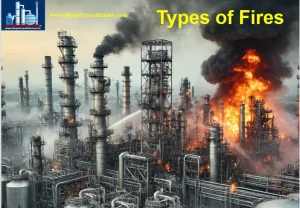
Fires in the hydrocarbon industry can vary greatly in their causes, behaviours, and potential consequences. Understanding the different types of fires is crucial for effective fire prevention and control. From
